
01
Mifepristone
Mifepristone blocks progesterone, a hormone needed for pregnancy to continue.
Abortion pill information
Learn about medication abortion, Mifegest Kit, mifepristone, misoprostol, safety considerations, eligibility questions and what to discuss with a qualified healthcare professional.
Understanding medication abortion
Medication abortion uses medicines to end an early pregnancy. Understanding what the medicines do, when they may be appropriate, and what safety information matters can help you have a more informed conversation with a qualified healthcare professional.
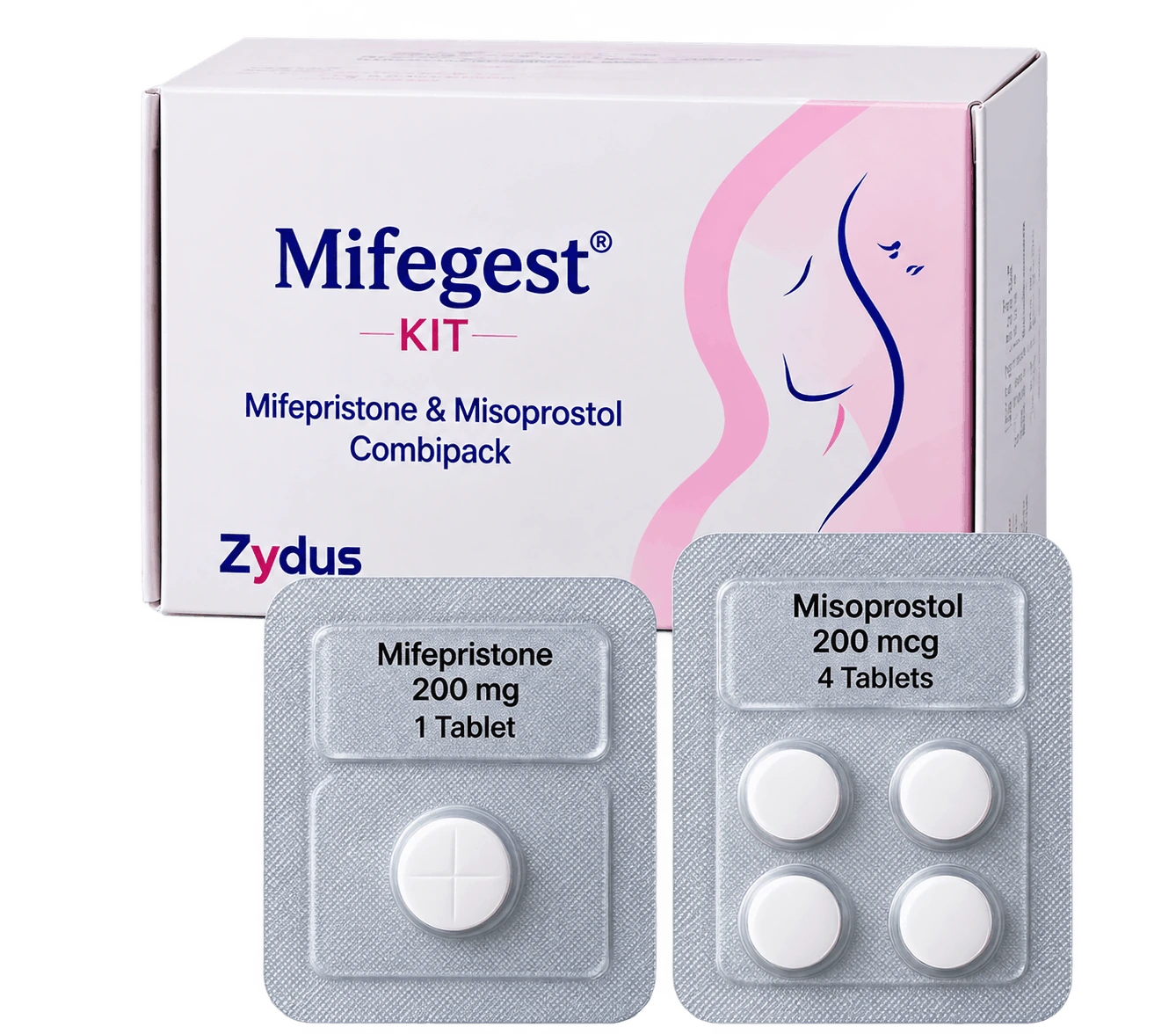
Learn about Mifegest KitMifepristone blocks progesterone, a hormone needed for pregnancy to continue.
Misoprostol causes the uterus to contract and helps expel the pregnancy tissue.
Eligibility, medical history, pregnancy location and access to appropriate care are important considerations.
About Mifegest Kit
Mifegest Kit is a combination pack containing medicines used in medication abortion. Understanding what each medicine does, eligibility considerations and when professional medical guidance is important can help you make informed decisions about your care.
Blocks progesterone, a hormone needed for a pregnancy to continue.
Helps the uterus contract and expel pregnancy tissue.
Pregnancy duration, pregnancy location, medical history and other factors can affect whether treatment is appropriate.
This website provides educational information and does not replace an assessment or advice from a qualified healthcare professional.
How it works
Medication abortion works through medicines that act on pregnancy and the uterus. The experience varies from person to person, so understanding what may happen can help you prepare for a conversation with a qualified healthcare professional.
First medicine
Mifepristone blocks progesterone, a hormone needed for a pregnancy to continue.
Second medicine
Misoprostol causes the uterus to contract and helps expel pregnancy tissue.
What happens next
Bleeding and cramping are expected parts of the process. The amount and experience can vary between individuals.
Pregnancy duration, medical history and other individual circumstances matter when determining whether medication abortion is appropriate and what follow-up is needed.
Medication abortion commonly uses two medicines: mifepristone followed by misoprostol. The FDA-approved U.S. regimen for mifepristone is used for an intrauterine pregnancy through 70 days (10 weeks).
The FDA-approved regimen uses 200 mg of mifepristone taken by mouth on Day 1.
The FDA-approved regimen uses 800 mcg of misoprostol, taken buccally (placed in the cheek pouch), 24–48 hours after mifepristone.
Follow-up with your healthcare provider is recommended about 7–14 days after taking mifepristone to confirm that the pregnancy has ended.
These instructions describe the FDA-approved mifepristone regimen and should not be used to determine whether medication abortion is appropriate for you. A qualified healthcare provider should confirm eligibility, pregnancy duration, and that the pregnancy is intrauterine before treatment.
Do not substitute a different product, strength, route, or schedule based only on information on this website. Follow the instructions provided by your prescribing healthcare professional and the medication's FDA-approved labeling.
Speak with an appropriate healthcare professional about eligibility, medication instructions and follow-up.
Safety & eligibility
Medication abortion is not appropriate in every situation. Pregnancy duration, pregnancy location, medical history and access to appropriate care are important parts of a safe assessment.
Pregnancy duration can affect whether a particular medication abortion approach is appropriate. A qualified healthcare professional can help determine the relevant timing.
Medication abortion does not treat an ectopic pregnancy. Appropriate medical assessment is important when ectopic pregnancy is possible or suspected.
Certain medical conditions, medicines and individual circumstances can affect whether a medication abortion approach is suitable.
Severe or concerning symptoms should not be ignored. Make sure you know how to access appropriate medical care if you need it.
This website provides general educational information. It cannot determine whether medication abortion is appropriate for a particular person or replace care from a qualified healthcare professional.
What to expect
Everyone's experience can be different. Understanding the general stages of medication abortion can help you know what information to discuss with a qualified healthcare professional.
Before
Information about pregnancy duration, medical history and pregnancy location can help determine whether medication abortion is appropriate.
During
Misoprostol causes uterine contractions. Bleeding and cramping are expected parts of the process, although the experience varies from person to person.
After
Your healthcare professional may recommend follow-up depending on your circumstances and the care approach being used.
If you experience severe or concerning symptoms, seek appropriate medical attention rather than relying only on online information.
Frequently asked questions
Looking for straightforward information about abortion pills, Mifegest Kit, mifepristone or misoprostol? Start with these commonly asked questions.
This information is educational and does not replace individualized medical advice.
Medication abortion uses medicines to end a pregnancy. Common medication-abortion approaches use mifepristone together with misoprostol, or misoprostol alone, depending on the clinical situation and applicable guidance.
Mifegest Kit is a combination pack containing mifepristone and misoprostol. The medicines have different actions and are used together in some medication-abortion regimens.
Mifepristone blocks progesterone, a hormone needed for a pregnancy to continue. It is used with misoprostol in medication-abortion care.
Misoprostol causes the uterus to contract and helps the uterus expel pregnancy tissue.
Bleeding and cramping are common parts of the medication- abortion process. The amount and duration can vary. Instructions from a qualified healthcare professional should be followed, particularly if symptoms are unusually severe or concerning.
Cramping is a common part of the process because misoprostol causes uterine contractions. Pain can vary between people. Severe or persistent pain should be medically evaluated.
No. Mifepristone and misoprostol do not treat an ectopic pregnancy. A confirmed or suspected ectopic pregnancy requires appropriate medical evaluation and treatment.
Seek appropriate medical care if you develop severe or persistent pain, concerning bleeding, persistent fever, symptoms suggesting an ongoing pregnancy, or other symptoms that worry you. Emergency symptoms should be assessed urgently.
Follow-up needs depend on the clinical situation and the care approach used. A healthcare professional can explain whether follow-up is recommended and what symptoms should prompt further assessment.
Pregnancy can occur again soon after a pregnancy ends. If you want to discuss contraception or future pregnancy planning, speak with a qualified healthcare professional.
Need more information?
Have a question about medication abortion, Mifegest Kit, mifepristone or misoprostol? Share what you would like to understand and use this information to guide a conversation with an appropriate healthcare professional.